Weathering and erosion, with sugar cubes in a jar of water
Published
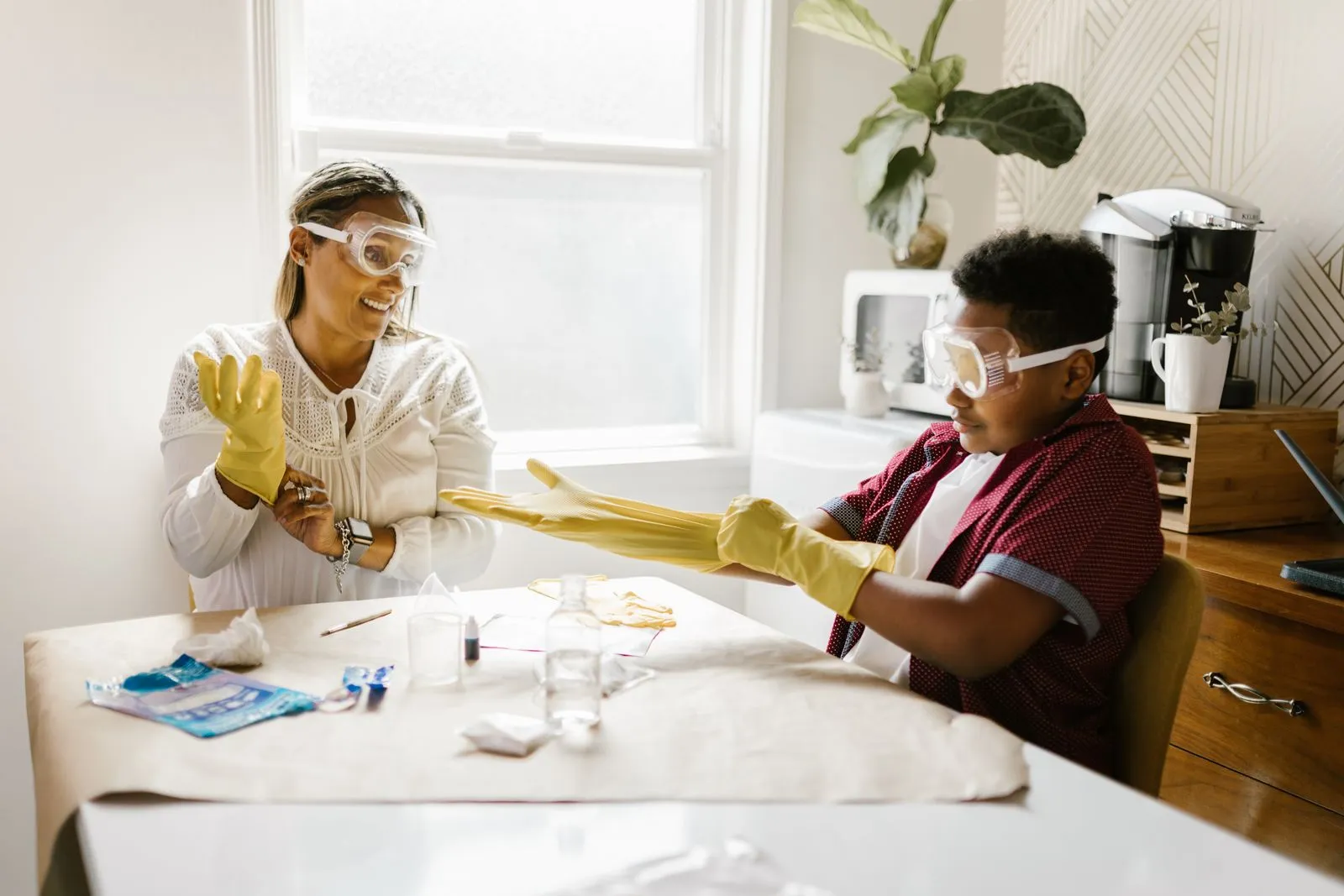
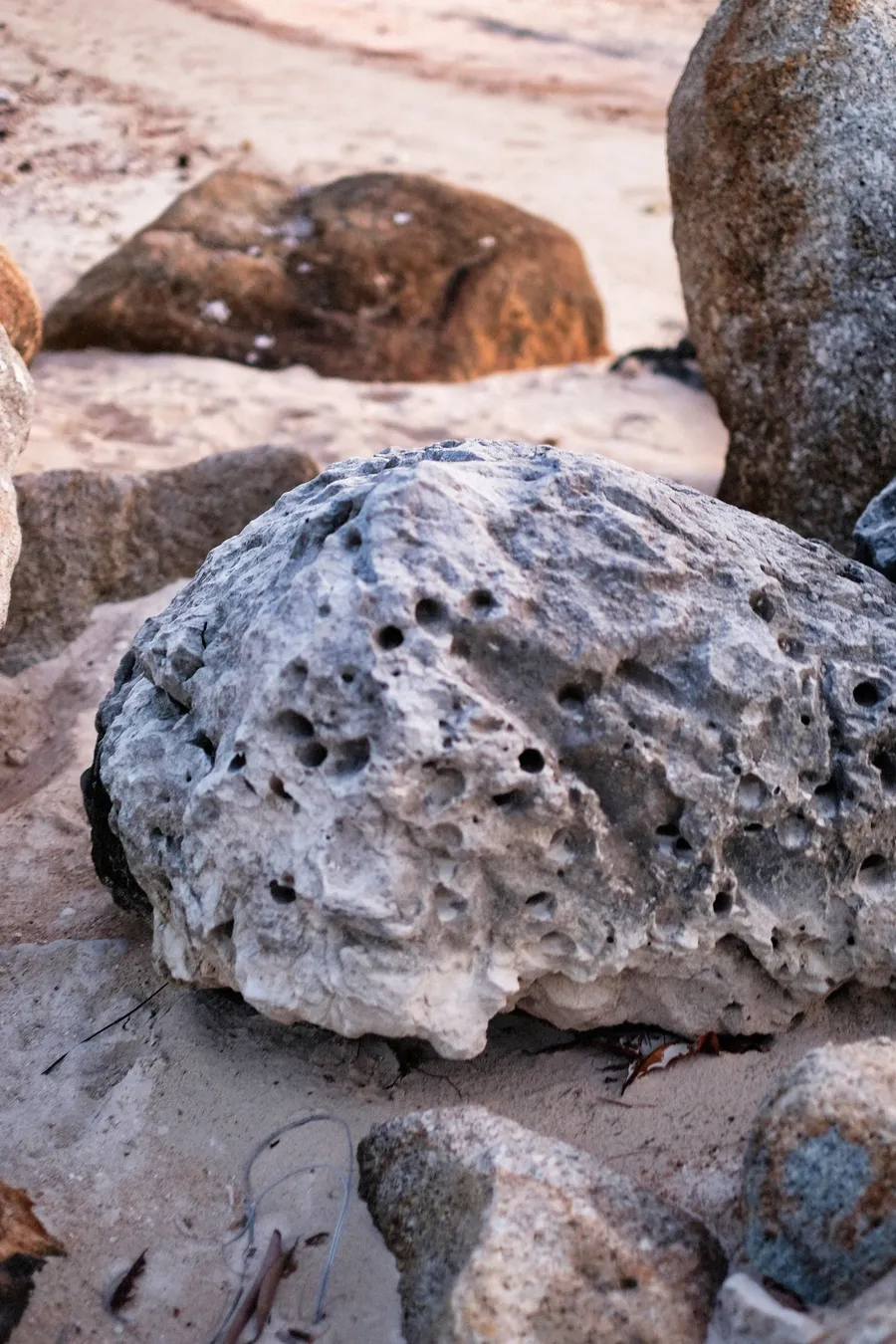
California’s 4th grade science standards (4-ESS2-1) ask kids to understand how weathering and erosion by water, ice, wind, and plants reshape the land. That is a big, slow idea for a hands-on kid, so I went looking for a way to make it something you can actually watch happen, not just read about.
The simplest version I found uses sugar cubes standing in for rocks. Put a few dry sugar cubes in a jar, add water, put the lid on, and shake it, gently at first, then harder. Stop every minute or two to look at what is left. The cubes chip, then crumble, then start dissolving into something closer to sand. That is weathering: breaking a solid down into smaller pieces, happening in a jar in a few minutes instead of over centuries outside.
Erosion is the next step, and it is easier to see outside than in a jar. After a rain, or with a hose and a patch of dirt, watch where the loosened material actually goes. Water does not just break things down, it carries them somewhere else: downhill, into a gutter, along a path the water already seems to know. That is the part that is easy to miss if weathering and erosion get taught as one idea instead of two connected ones.
A few questions are worth asking while you are doing this:
- What made the sugar cubes break apart faster, more water or more shaking?
- Where did the loosened material end up sitting in the jar?
- Outside, where does rainwater go after it falls, and what does it carry along with it?
None of this needs a kit or a worksheet to start. A jar, a few sugar cubes, and five minutes outside after it rains covers the core idea: rock breaks down, then it moves. The vocabulary (weathering, erosion, deposition) is easier to attach to something a kid has actually watched happen than to a definition on a page.
I am still deciding how much more structure to build on top of this: a page to record what happened, a couple more experiments (ice, wind), something that ties it to California’s own landscape. If that turns into a printable workbook, I will say so here.
Hear when South Bay LA community events start
Plus major updates to this site. No spam, unsubscribe anytime.
Spot an error? Tell us. This is information, not legal advice, see the disclaimer.